Guides
Brands that matter in handyman equipment
The handyman equipment brands worth ranking, from Milwaukee and DeWalt to Festool, plus how to judge each brand against your own service mix.
What to take away
- Milwaukee, DeWalt, Makita, Bosch, Festool, Hilti, Ryobi and Ridgid are the handyman equipment brands that matter most, and each owns a different part of the handyman market.
- Battery platform is the decision you cannot reverse cheaply. Milwaukee M18 and DeWalt 20V Max have the deepest trade lineups; Makita LXT runs close behind.
- Festool and Hilti sit at the top on dust control and service network, at prices only daily users recover.
- Ryobi and Ridgid cover occasional-use categories without locking your whole van into a premium platform.
- Serviceability beats specificationa tool repaired locally outlasts a better tool that ships away for warranty work.
The eight brands, ranked and what each is for
Milwaukee built its trade reputation on the M18 and M12 battery systems and the breadth of tools that run on them, from impact drivers to drain augers. Priced at the premium end, sold through industrial distributors and home centers.
An M18 Fuel impact driver typically runs $150 to $200 bare, or $300 to $400 in a two-battery kit as of 2026. Best for: daily repair and remodel work where one platform covers almost every category.
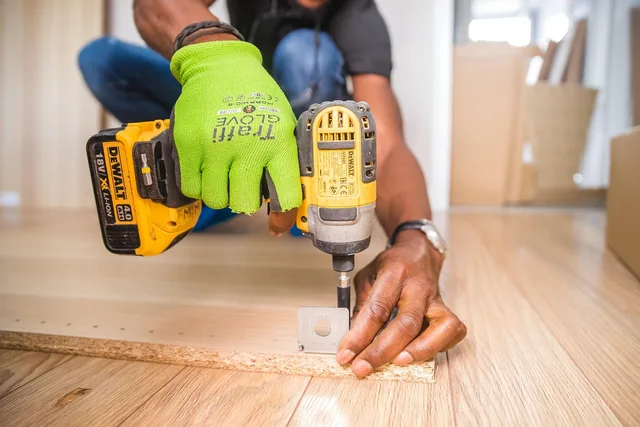
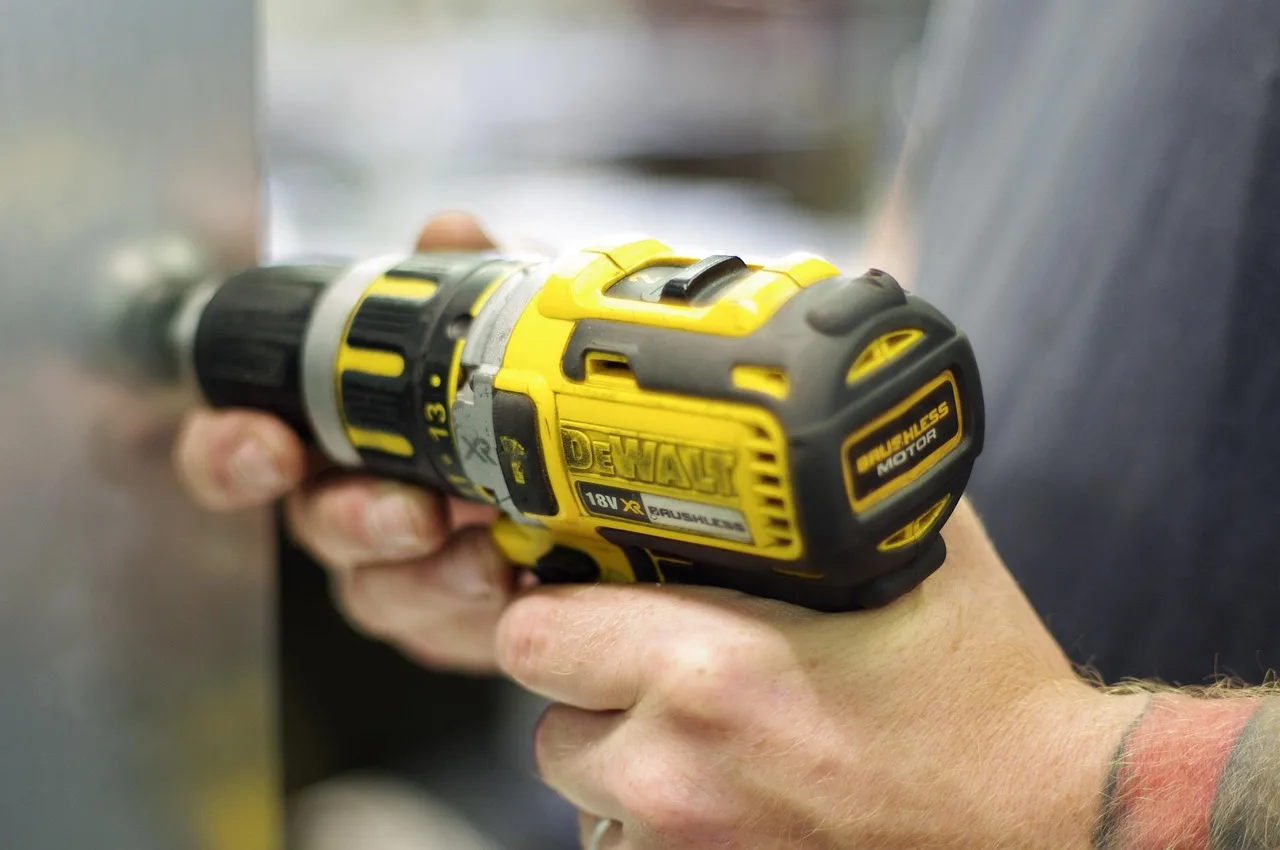
DeWalt runs the 20V Max and FlexVolt platforms, with a deep lineup of carpentry and framing tools and the widest retail availability of any trade brand. FlexVolt packs drive 60V tools and also feed 20V Max tools, so one charger set covers both.
A 20V Max hammer drill kit typically sells for $180 to $280. Best for: crews that want same-day replacement from a local store. Mid-to-premium pricing.
Makita has sold the 18V LXT platform longer than most competitors, and its tools have a reputation among trades for motor durability. The 40V XGT line covers higher-draw tools that LXT cannot carry.
An 18V LXT drill and driver kit typically costs $150 to $250. Best for: finish carpenters and remodelers. Premium pricing, strongest at specialty dealers.
Bosch is the reference brand for rotary hammers and concrete work, and its 18V and 12V systems cover the measuring and drilling categories well. The Bulldog line is a common sight on small concrete jobs.
A Bosch Bulldog rotary hammer typically costs $200 to $300. Best for: handymen taking tile, masonry and small concrete jobs. Mid-to-premium.
Festool sells dust extraction and finish sanding as a system, not as individual tools. A CT 26 extractor typically lists at $700 to $800, and a TS 55 track saw at $650 to $800.
Dealer network only, no home centers. Best for: remodelers working in occupied homes where dust control decides whether you get called back. Premium pricing.
Hilti sells to commercial trades with a service model built around tool fleet management and fast repair turnaround. Its Nuron 22V platform carries the cordless line, and pricing is quote-based.
Best for: outfits with enough volume to justify the pricing. Hilti sells direct rather than through retail stores.
Ryobi covers the occasional-use categories cheaply on one 18V ONE+ platform, which carries hundreds of tools on the same battery. A drill and driver kit typically costs $99 to $150.
Best for: a new operator building a first van, or a second set of tools for a helper. Budget pricing.
Ridgid sells 18V and 12V tools through Home Depot and covers tools and batteries under a Lifetime Service Agreement. Registration within 90 days of purchase is required to keep that coverage, a step many owners miss. Best for: occasional-use tools covered by a registered lifetime service agreement.
Ranked for a general repair and remodel handyman business, by platform depth, serviceability and price fit:
The eight brands, ranked
- Milwaukeedaily repair and remodel.
- DeWaltsame-day retail replacement.
- Makitafinish carpentry and remodel.
- Boschtile, masonry and small concrete.
- Festooloccupied-home dust control.
- Hiltihigh-volume fleet service.
- Ryobifirst van and helper sets.
- Ridgidoccasional tools with lifetime service.
What to check before you buy
Battery platform commitment outranks every individual tool choice, because leaving it means replacing packs, chargers and bare tools together. Count how many of your existing tools share the platform before you add another.
Serviceability is the second check. Ask a supplier who repairs tools, not just sells them, what typically fails on a model and whether the part is stocked locally. A tool with no local service is a tool with a shipping delay built in.
Retrieval fit matters more than spec sheets. A tool that lives in the van in one piece, in a case that fits your racking, gets used. One that arrives in three parts eventually arrives incomplete.
Weight at arm's length after twenty minutes decides whether a technician quietly stops reaching for a tool. Test that on a demo unit, not on a specification.
Running the comparison
Take one category at a time and score candidates against the same columns, so the record survives a change of opinion.
What to check
- Platform
- Packs, chargers and bare tools shared
- Kit price
- Two batteries, charger and bare tool
- Serviceability
- Common wear parts stocked locally
- Retrieval fit
- Fits racking, no reassembly on site
- Weight in use
- Overhead at arm's length
- Abuse behavior
- What breaks first when dropped or wet
- Site impact
- Noise and dust in an occupied home
Where to check it
- Platform
- Your own van inventory
- Kit price
- A dealer quote or the manufacturer's list price
- Serviceability
- A repair-focused supplier
- Retrieval fit
- Your van, with the case
- Weight in use
- A demo unit
- Abuse behavior
- Two trades who use it daily
- Site impact
- Your own last job
Keep the sheet. Its value is next year, when somebody proposes switching platforms and nobody remembers why the current one was chosen.
For 2027, watch for new bare tools on the platforms already in your van, not a new battery format. Price direction follows cell costs and tariffs, so treat any quote as a typical range, not a guarantee.
OSHA's fall protection guidance for residential construction covers work at height.
Fitting the purchase to the business
Once a category is settled, the purchase is a business decision. For the new against used arithmetic, see the new against used comparison.
What belongs in the van comes from your service list. Start from the opening equipment checklist and how the van and kit are set up.
Keep purchase records tied to each tool. Warranty claims, resale and the tax treatment of equipment all depend on producing them, and the general obligation is described in the IRS guidance on what kind of records to keep.
Platform standardization matters for a growing team, and it belongs with hiring and training decisions, not in a catalog.
A tool that adds a hazard rather than a capability belongs in the standing safety program OSHA describes in its recommended practices for a safety and health program. Note who has been shown how to use it.
Common questions
Is the trade line worth it over the consumer line?
For anything used daily, usually yes, and the reason is parts availability rather than power. For something used twice a year, the question is whether you should own it at all.
Should the whole kit be one brand?
The battery tools should share a platform. The rest does not need to match, and insisting on it will make you buy a poor version of something because it wears the right badge.
How do I judge a tool I cannot try first?
Ask the people who repair them. A service counter knows which models come back and with what fault, which beats any specification sheet. If nobody local services it, treat that as an answer.
What about package deals bundled with a starter kit?
Judge the individual tools, then the platform, then the price. Bundles usually center on one item the manufacturer wants to move, and the rest is filler you will replace within a year.
If the bundle drives what you can offer rather than the reverse, work back from the package shortlist.