Guides
Equipment a handyman business cannot open without
A handyman equipment checklist for new owners, grouped by what happens when an item is missing, with the hazard kit separated from the working tools.
What to take away
- This checklist is grouped by consequence rather than by tool type. What matters is what fails when the item is absent.
- Three groupsthe job cannot happen, the job needs a supplier trip, and the job is uncomfortable. Buy strictly in that order.
- Hazard equipment sits outside the ordering. It is not traded against a tool.
- Print the list, work through it against the jobs you have actually quoted, and delete anything no quoted job required.
- Re-run the whole checklist after thirty jobs, when your real service mix has replaced your assumed one.
How to use this
Do not buy from the list. Quote ten jobs first, then walk the list and mark only what those ten jobs would have needed. The difference between a general list and your list is usually a third of the spend.
Then work in group order. Group one before group two, group two before group three, and hazard equipment before all of it.
Group A: without it, the job cannot happen
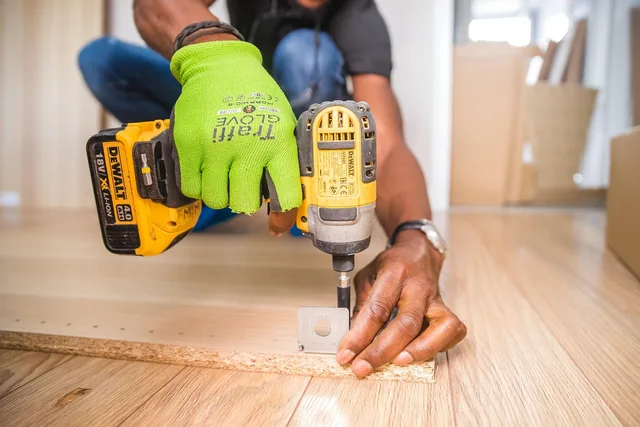
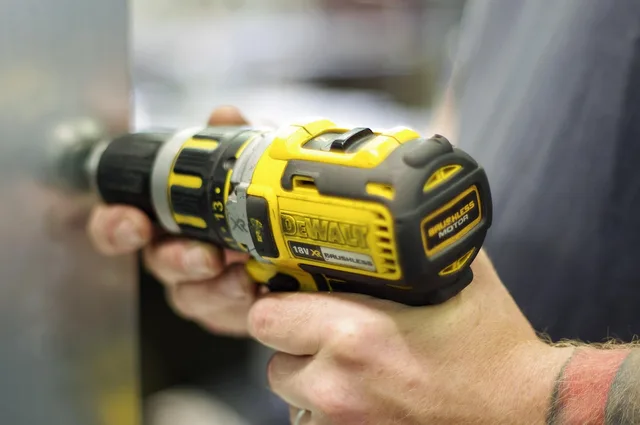
- Cordless drill and driver on a battery platform you have deliberately chosen
- Spare batteries sufficient for a full day away from a charger
- A measuring set you trusttape, level, square, and a marking method that shows on dark surfaces
- Stud and service detection, plus a rule about what you do when it is ambiguous
- Hand tool corehammer, pry bar, screwdrivers, pliers, utility knife, adjustable wrench
- Cutting for the materials you actually meet, which is decided by local housing rather than by a catalog
- Accessthe ladder or steps that suit the heights your service list implies
- Task lighting, because half of handyman work happens in a cupboard or a loft
- Powerextension lead and, where sites may have no supply, a plan for that
Group B: without it, somebody drives to a supplier
- Fixings for every wall and ceiling type in your area, in the sizes your work uses
- Anchors rated for the loads your mounting work involves
- Sealant and adhesive in the two or three types that cover most calls
- Filler, sanding media, and enough to finish rather than start
- Blades, bits, and abrasives held as consumables with a written minimum
- Tape in the forms the work needs, including masking that will not lift a finish
- Basic hardwarehinges, catches, door furniture spares, and the screws that suit them
- Dust sheets, floor protection, and a way to leave a room cleaner than you found it
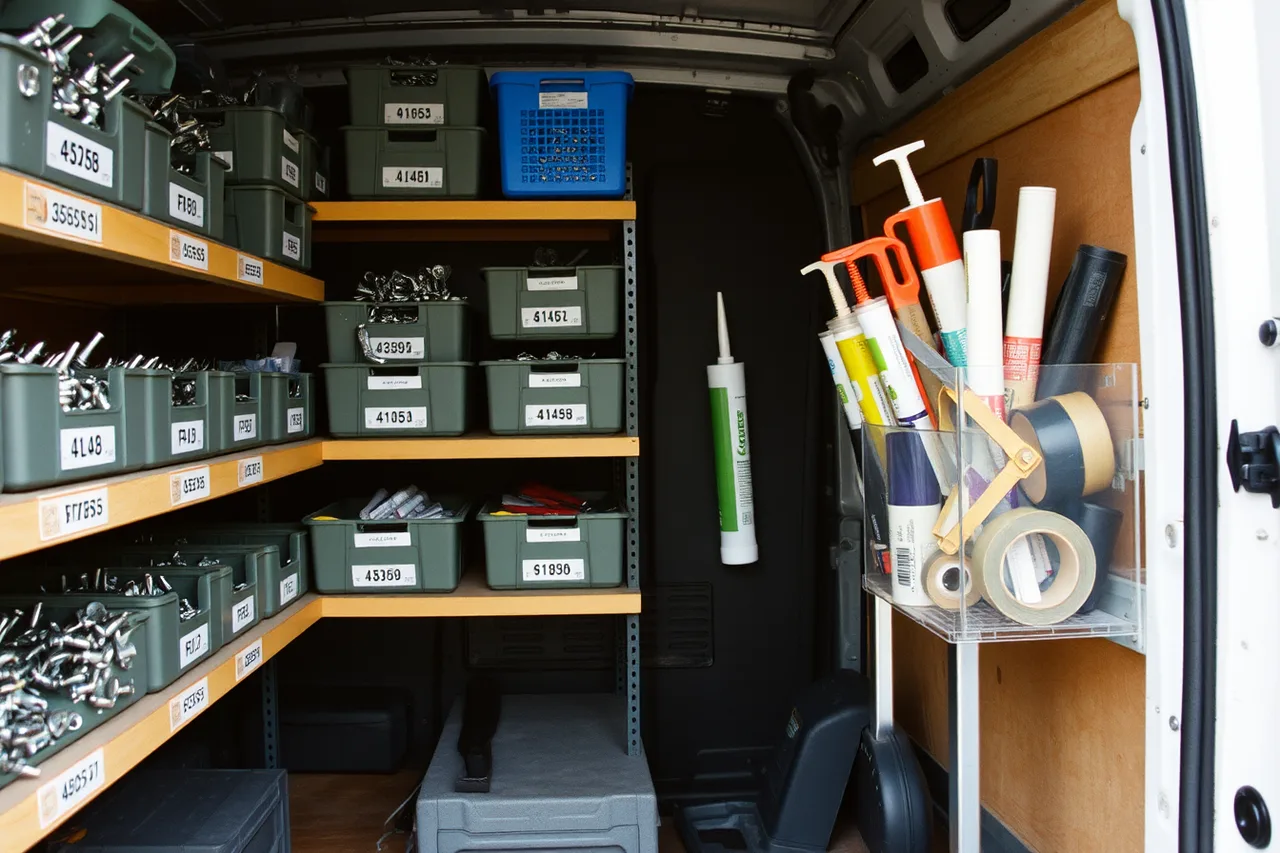
Group B is where the money quietly goes and where the second visits quietly come from. Set a minimum quantity per item, and record depletion at the moment it happens rather than when somebody notices.
Group C: without it, the work is slower or unpleasant
- Knee protection, a work mat, and a stool for the jobs performed at floor level
- A vacuum you are willing to use in a customer's home
- A portable work surface
- Organizers that let a technician carry one thing into a house instead of four
- A camera routine for before and after, which is a documentation tool as much as a comfort
Hazard equipment: not part of the ordering
This group is not traded off against anything above. If the budget does not cover it, the work it protects against does not get accepted.
- Eye protection, and a spare pair in the van
- Hearing protection appropriate to the tools carried
- Respiratory protection matched to the dust and materials your work involves
- Gloves for the specific hazards, rather than one generic pair
- Ladder stabilizers and standoffs where your access work needs them
- A first aid kit that has been checked this quarter rather than bought once
- Fall protection where the work requires it, per OSHA's fall protection guidance for residential construction
Treat this list as a standing program, not a purchase. OSHA's recommended practices for a safety and health program describe finding and fixing hazards on a schedule.
At this size, that schedule is short: a ladder and cord check before the week starts, and then a look at the specific hazard of the next job before leaving for it.
What is deliberately absent
Anything implying a licensed trade. Tools for electrical, gas, and significant plumbing work are absent from this list because the question is not whether you can buy them; it is whether you may perform the work.
That is decided by your state contractor licensing board and often narrowed by your local building department. And where the licensing line sits is a research task rather than a purchasing one.
Also absent: specialty equipment for work you have not yet been asked to do. Rent it when the job appears. Owning it in advance is a bet on demand you have no evidence for.
Keeping the list alive
Attach the purchase records to the items. Warranty, resale, and the tax treatment of equipment all rely on being able to produce them, and the general obligation is described in the IRS guidance on what kind of records to keep.
Two habits keep the checklist honest. Every mid-job supplier trip gets logged with what was bought, and that log becomes the amendment to Group B.
Every tool that has not been touched in three months gets questioned, because it is occupying space that retrieval time is paying for. How that space is arranged is the subject of the van and kit setup.
Common questions
How complete should the kit be before the first job?
Group A complete, Group B partial, hazard equipment complete for the work you have accepted. Group C can wait entirely. Arriving without Group A means rescheduling; arriving without Group C means an uncomfortable afternoon.
Should a second technician get an identical kit?
The battery platform and Group A, yes, because a shared platform lets vans cover for each other. Group B can differ by route if the work differs. Whoever is issued a kit needs to be shown the hazard items rather than handed them, which is part of how people are hired and trained.
What is the most commonly missed item?
Fixings in the sizes local housing demands. Owners stock a general assortment and then drive to a supplier for the one anchor the walls in their area actually need.
Does carrying more reduce second visits?
Up to a point, then it makes them worse, because retrieval time rises and things get buried. The better lever is the questions asked before booking, which is where most second visits are actually created. That connection runs through how the work is won and qualified.