Guides
Denver handyman invoicing for hail and snow damage tasks, a practical checklist
Denver storm work pays cleanly when the invoice carries photo proof, the claim number, the storm date the adjuster is matching, and a line item for each task.
What to take away
- A Denver storm invoice carries the date of loss, the carrier, the claim number and the adjuster's name, because the adjuster matches paperwork on those four fields.
- Photograph each affected surface wide, then close, from the same angle before and after. Matched pairs settle disputes that random shots cannot.
- Snow work adds ice melt, disposal, snow clearing around the work area and winter access as separate lines. A summer repair invoice has no place to put them.
- Colorado licenses no handyman statewide, so Denver permits and local rules set the scope. Put the permit number on the invoice when one applies.
- Hidden damage gets a written change request before you touch it. Undocumented extras are the most common reason a claim payment stalls.
Why a Denver storm invoice is a different document
Denver sits in hail alley. Storms come off the Front Range from May into August, then snow runs October into April. A handyman working the metro can bill both kinds of damage in one month.
That mix decides what the invoice has to prove. A homeowner paying cash wants scope and price. A carrier paying a claim wants evidence tied to one storm on one date. One document serves both, and it gets read again months later.
Colorado has no statewide handyman license, so city permits and local rules carry the weight. Denver requires permits for many structural and roofing repairs. Name the permit number on the invoice when one applies, because that number ties your work to an approved scope.
The Internal Revenue Service expects records that support income and deductions. Publication 583 sets out what those records show, and a dated invoice with a plain description is the backbone. IRS recordkeeping guidance is worth one read if you have never thought about it.
Storm cash moves through a neighborhood fast. The Small Business Administration makes low-interest disaster loans after major hail events, and some customers pay contractors from that money. SBA disaster assistance explains who qualifies, which is why a customer may want a detailed invoice before releasing funds.
Separate storm jobs from routine jobs in your books. The split takes one field on the job record and saves hours at tax time.
Photographing hail and snow damage before, during and after
Denver hail damage photo documentation is the highest-value habit on this list. Photos fix the condition of a roof, a gutter or a window at a moment in time. Without them, a dispute is your word against the homeowner's.
Photo sequence for storm damage
- Wide frame shows the elevation
- Close frame shows dent or crack
- Beforeevery surface plus ground below
- Duringstripped roof, opened wall
- Aftersame corner, distance and light
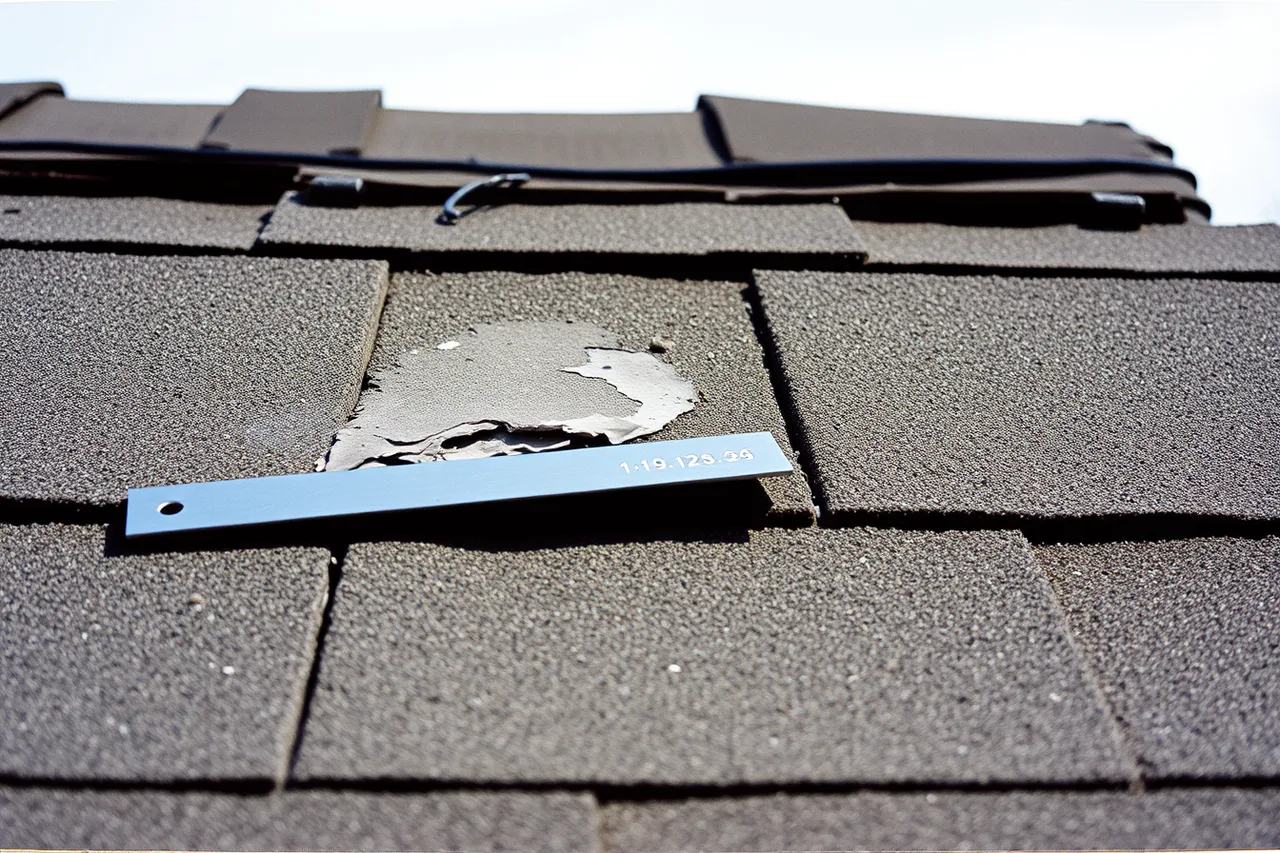
Shoot wide first, then close. The wide frame shows which elevation you are looking at. The close frame shows the dent, the crack or the granule loss. Keep the date stamp and the phone's location data on.
Before photos cover every surface you will touch, plus the ground below the work area, because that is where debris lands. A gutter already pulling away gets photographed before you climb.
During photos prove the scope was real. A stripped roof section, a removed gutter run, an opened wall cavity. These are the images an adjuster asks for when a claim is questioned.
After photos match the before angles. Same corner, same distance, same light where you can manage it. One matched pair beats a dozen random shots.
Snow damage task documentation follows the same logic with one addition. Photograph the snow load and the ice dam before you remove anything. That image explains why the repair happened in January rather than July.
The National Oceanic and Atmospheric Administration publishes storm and climate records that date an event. NOAA weather data is a public reference you can cite when a customer cannot remember the storm date.
Store photos by job number, not by camera roll. A cloud folder named for the address and the storm date takes seconds to search. If a claim reopens a year later, you find the file.
Documenting roof, siding, gutter and window tasks
Denver roof and siding tasks carry the highest claim values, so document them hardest. Each trade has its own evidence pattern, and mixing two on one invoice line invites questions.
Evidence per trade
Roof
- Record
- Slope, squares, material
- Hail sign
- Shingle bruising
- Invoice line
- Replaced 14 shingles
Siding
- Record
- Profile name
- Hail sign
- Dents and chalking
- Invoice line
- Matched profile
Gutters
- Record
- Dents, seams, hangers
- Hail sign
- Dents and separation
- Invoice line
- Reseal or full run
Windows
- Record
- Glass, frame, sill
- Hail sign
- Cracked pane
- Invoice line
- Pane and sill
Roof work needs slope, square count and material. Note whether you replaced shingles, patched a valley or reset flashing. Hail bruising on asphalt shingles is subtle, so put a straight edge in the close photo for scale.
Siding damage shows as dents, cracks and chalking. Aluminum and vinyl behave differently under hail. Record the profile name if you can read it, because matching a discontinued profile changes the material cost.
Gutters take the most hail strikes on many Denver homes. Document dents, seam separation and hanger failure as separate findings. A full run replacement and a reseal are different tasks, and the invoice says which one you did.
Windows and screens break from hail and from snow load. Photograph the glass, the frame and the interior sill. Water staining inside tells an adjuster the damage went past the pane.
Write each line so a stranger can picture the task. "Repaired roof" says nothing. "Replaced 14 hail-bruised shingles on south slope, matched existing charcoal laminate" says everything.
Your handyman service standards should already define how much detail a job record carries. Storm work raises that bar, because a third party reads it.
Insurance claim fields that belong on the invoice
Insurance claim reference fields turn a repair bill into a claim document. Add them to your invoice template once and every storm job inherits them.
Claim fields on every invoice
- Carrier name
- Claim number
- Date of loss
- Adjuster name and phone
- Deductible amount
- Attached scope of work
Ask for the claim number before you start. A customer who cannot find it can call the carrier while you set up. Waiting until the final invoice delays payment by weeks.
Some adjusters issue a scope of work with line items and prices. Attach it and reference it. Your invoice should not contradict that scope without a written change.
When you find hidden damage, stop and document it. Photograph the new condition, note the date, and send a change request before doing the extra work.
Keep the claim number on every document, quotes and change orders included. A consistent reference lets the carrier match your paperwork on the first pass.
If a homeowner disputes scope or payment, a calm written process beats a phone argument. Our guide to handyman complaint handling covers how to keep that trail clean.
Materials, disposal and access charges in snow work
Snow and ice repairs use consumables a summer job never touches. Ice melt, sand, tarps and temporary heat all cost money, and so do replacement snow guards, heat cable and emergency bracing. List each with a quantity.
Winter cost lines to bill
- Ice melt, sand, tarps, temporary heat
- Snow guards, heat cable, bracing
- Disposal by weight of wet debris
- Snow clearing and roof access labor
- Fall protection and harness gear
- After-hours storm response premium
Disposal is its own charge. Wet insulation, broken shingles and snow-soaked debris weigh more and cost more to haul. Denver landfill fees change, so quote disposal as a pass-through or a flat fee you can defend.
Access is the quiet cost. Clearing snow around a work area, roof access through deep drifts and ladder placement on ice all add labor. Charge for it openly rather than burying it in the hourly rate.
Safety gear is a cost too. The Occupational Safety and Health Administration sets residential construction safety standards that cover roof and ladder work in winter. Fall protection, harnesses and anchor points are part of the job, not overhead you absorb.
Emergency callouts after a storm carry a premium. Label it on the invoice, for example after-hours storm response. Customers accept premiums they can see.
Track material cost per job from day one. A handyman quote template with material lines built in keeps the estimate and the final invoice consistent.
A Denver task invoice checklist from call to payment
A call-to-payment checklist keeps storm work from drifting. Run the same order every job and nothing gets missed.
Call to payment in seven steps
- Log call, address, storm event, damage
- Capture before photos and claim number
- Send written quote with all cost lines
- Record deposit and signed approval
- Photograph during and after, matched angles
- Issue final invoice with claim and permit
- Follow up on balance within seven days
The same process as a reusable checklist:
- Storm date and event recorded on the job file
- Before photos saved under the job number
- Claim number, carrier and adjuster details captured
- Written quote approved in writing
- Deposit received and receipted
- During and after photos matched to before angles
- Final invoice sent with materials, disposal and access lines
- Payment logged and receipt issued
Denver metro wage data can sanity-check your labor rate against the local market. The Bureau of Labor Statistics publishes metro-level employment and wage figures, and the Quarterly Census of Employment and Wages is a free place to start.
Pricing storm work is a business skill, not a guess. Our notes on handyman pricing and profit cover how to build a rate that survives a slow month.
Seasonal pricing for hail and snow events
Denver pricing moves with the weather. Demand spikes after a major hail event and again after a heavy snow.
Denver storm season pricing
- May to AugustHail along the Front Range
- First two weeks after hailStorm surcharge
- October to AprilSnow and ice work
- WinterCold, costly materials, short daylight
- Twice a yearReview rates and material prices
Hail concentrates from May through August along the Front Range. Bookings fill fast after a storm, so a modest storm surcharge for the first two weeks is explainable and fair.
Snow prices differently. Cold slows every task, materials cost more, and daylight is short. A winter rate that accounts for those three factors is not opportunistic.
NOAA climate records show how hail risk varies across the region and over time. NOAA climate data can support a pricing decision you have to explain to a customer.
Review rates twice a year, once before hail season and once before winter. Check material prices, fuel and disposal fees in the same sitting. Two small adjustments beat one painful increase.
Quality control slips when you are busy. A quick handyman quality assurance checklist after each storm job catches the small misses before a customer does.
Worked example: one hail job, line by line
A south-facing roof takes hail in June. The homeowner has a claim open. Here is how the invoice reads.
| Line | What it records | Why the adjuster wants it |
|---|---|---|
| Labor hours | Hours at your rate, split by day | Shows the task took two visits, not one |
| Trip charge | One trip per visit, stated flat | Covers the second drive across the metro |
| Materials | 14 shingles, 1 tube sealant, 3 ridge caps | Matches the approved scope count |
| Disposal | One trailer load, shingles and felt | Wet debris weighs more than dry |
| Permit | Denver permit number | Ties the work to an approved scope |
| Claim reference | Carrier, claim number, date of loss, adjuster | Lets the carrier match on the first pass |
Substitute your own figures for hours, rate and material cost. The structure is what carries the claim, not the numbers.
Common questions
Does a Denver handyman invoice need the insurance claim number?
It is not legally required, but it speeds payment when a carrier is involved. Put the claim number, carrier and date of loss on the invoice so the adjuster can match it on the first pass.
How many photos should a hail damage job carry?
Enough to show every affected surface before and after, plus wide frames that locate each close-up. Ten matched pairs usually beat fifty random images.
Can snow disposal and access be charged separately?
Yes, when the quote lists them as separate lines. Disposal, ice melt, snow clearing around the work area and winter access are real costs, and customers accept them when they are visible.
Which records should a storm repair job keep?
Organized by job and storm date:
- Quotes
- Approvals
- Photos
- Invoices
- Receipts
- Payment records The IRS expects records that support your income and deductions.